Product Design
Brand Direction
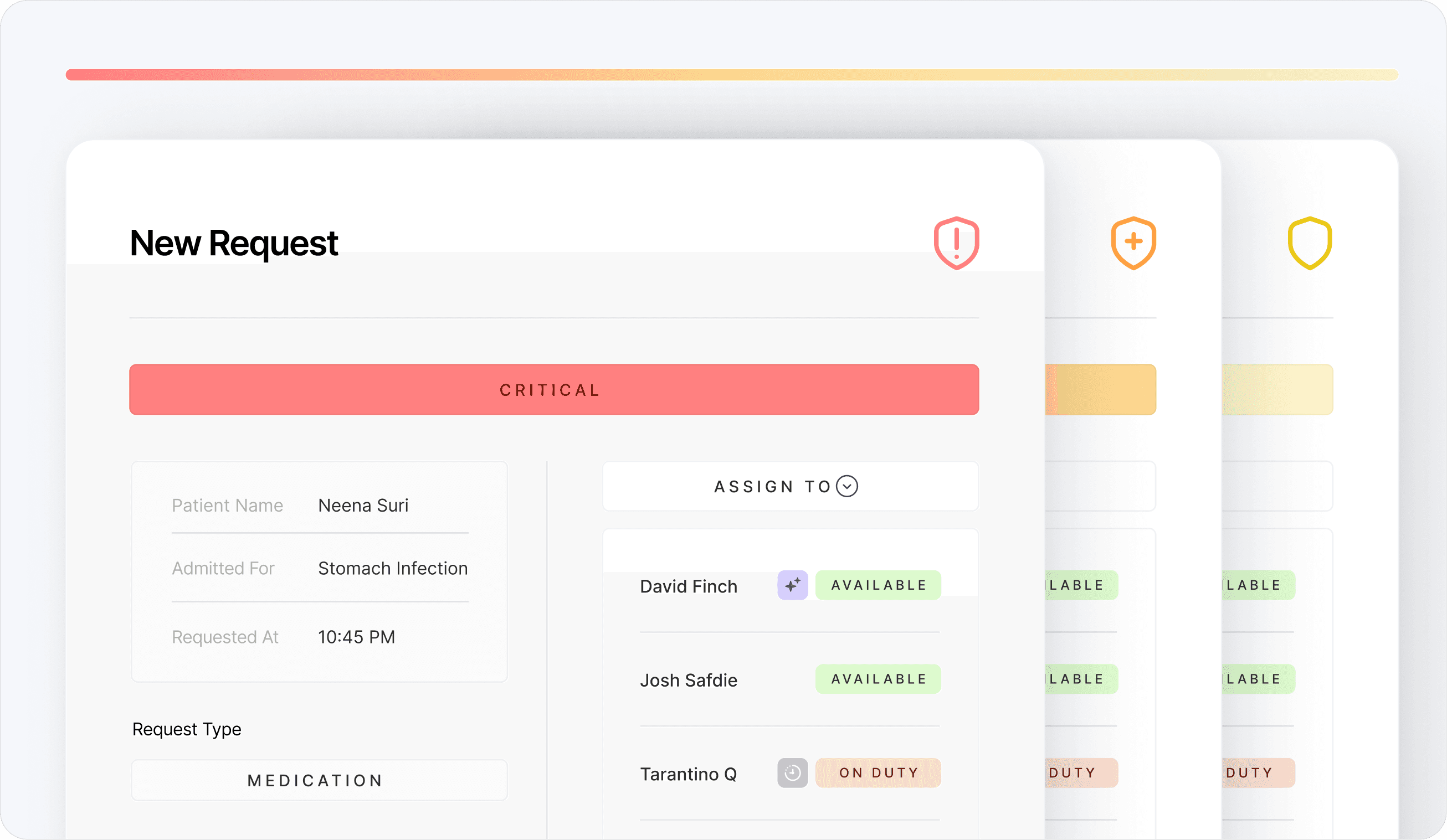
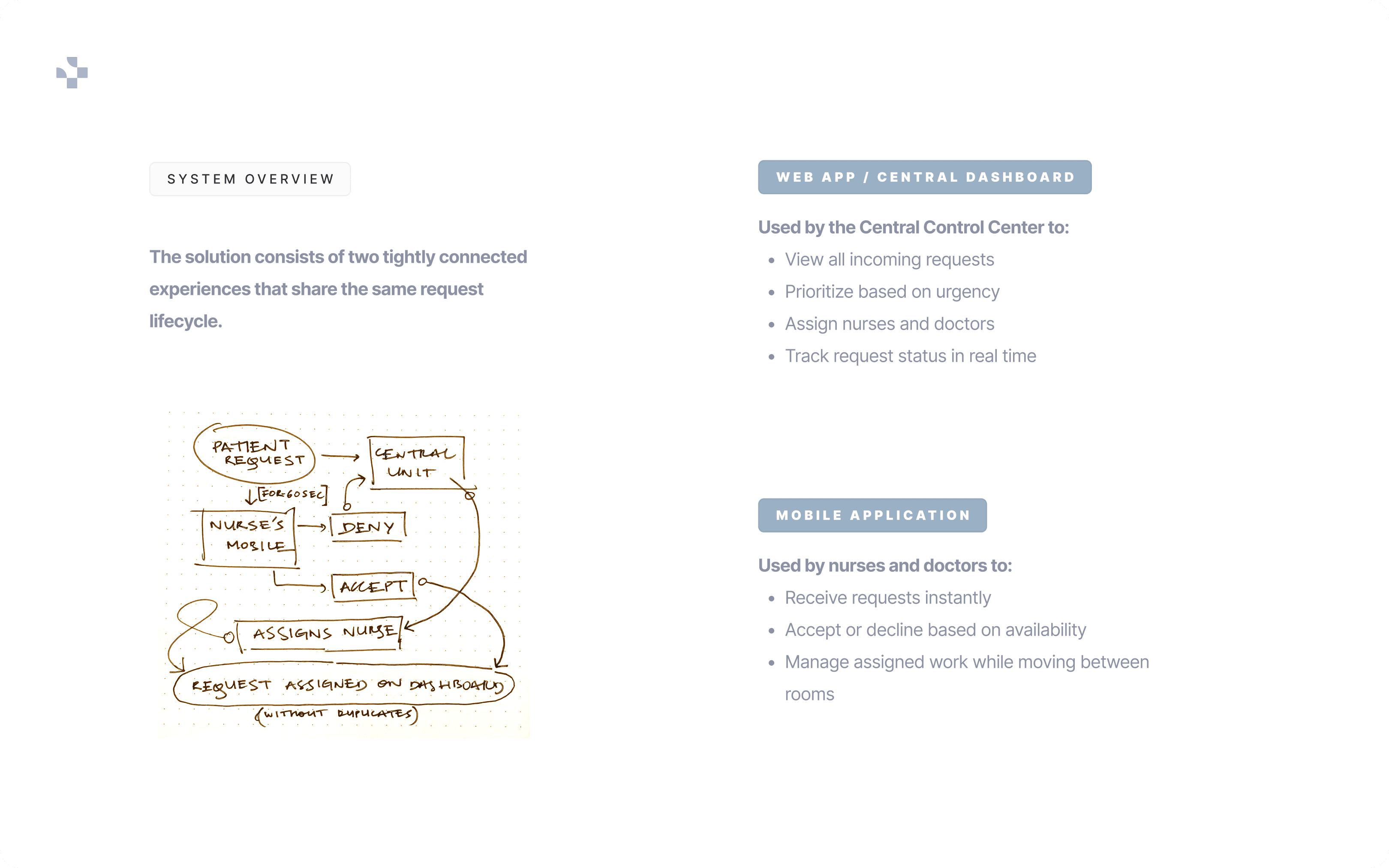
Ailyrics Healthcare is a real-time inpatient request intelligence system designed to improve coordination between nurses and central hospital control teams. The system transforms fragmented bedside call flows into a structured, priority-driven workflow shared across web and mobile platforms.
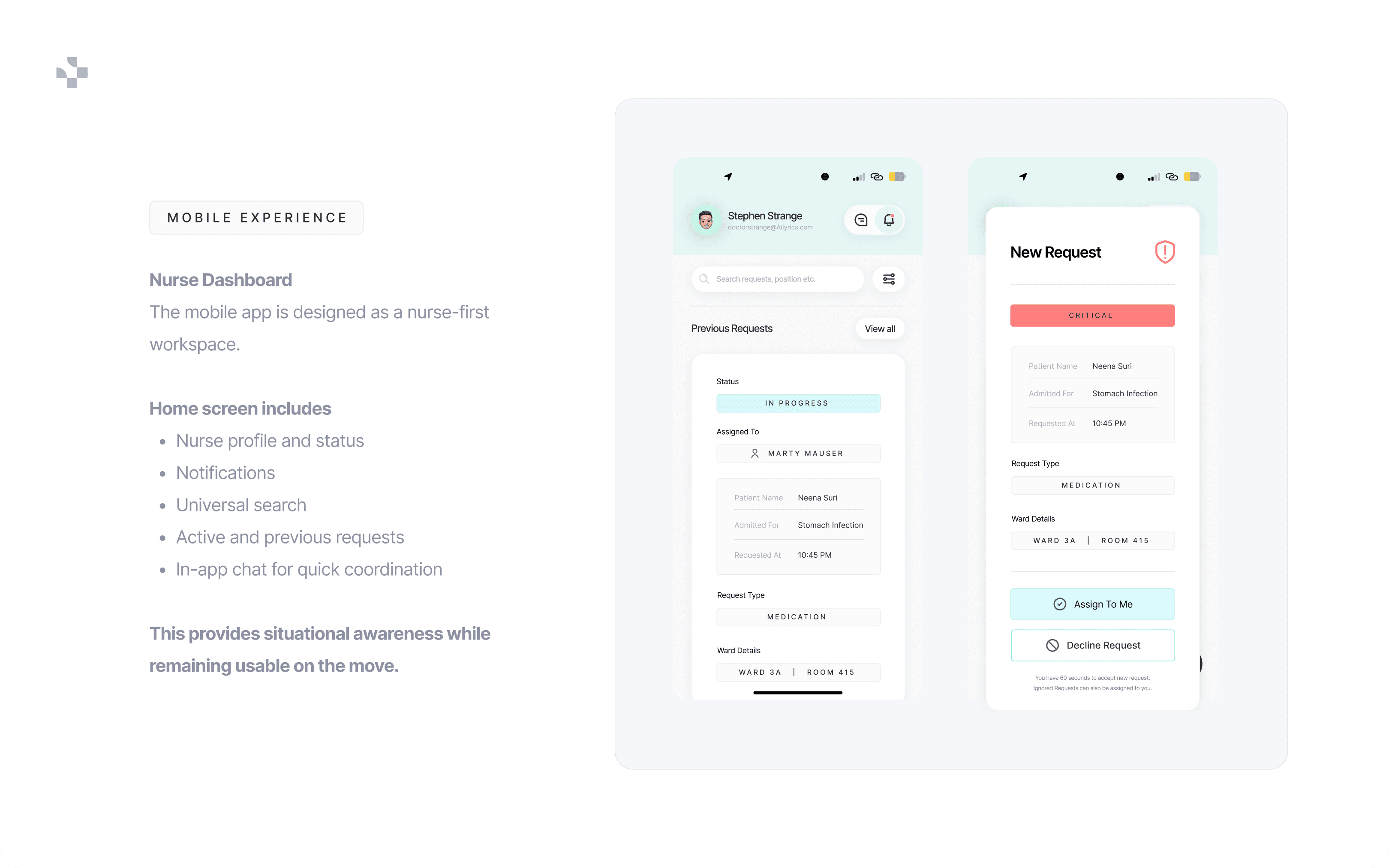
• Dual-interface system: Central Dashboard and Nurse Mobile App
• Real-time request triage and visibility
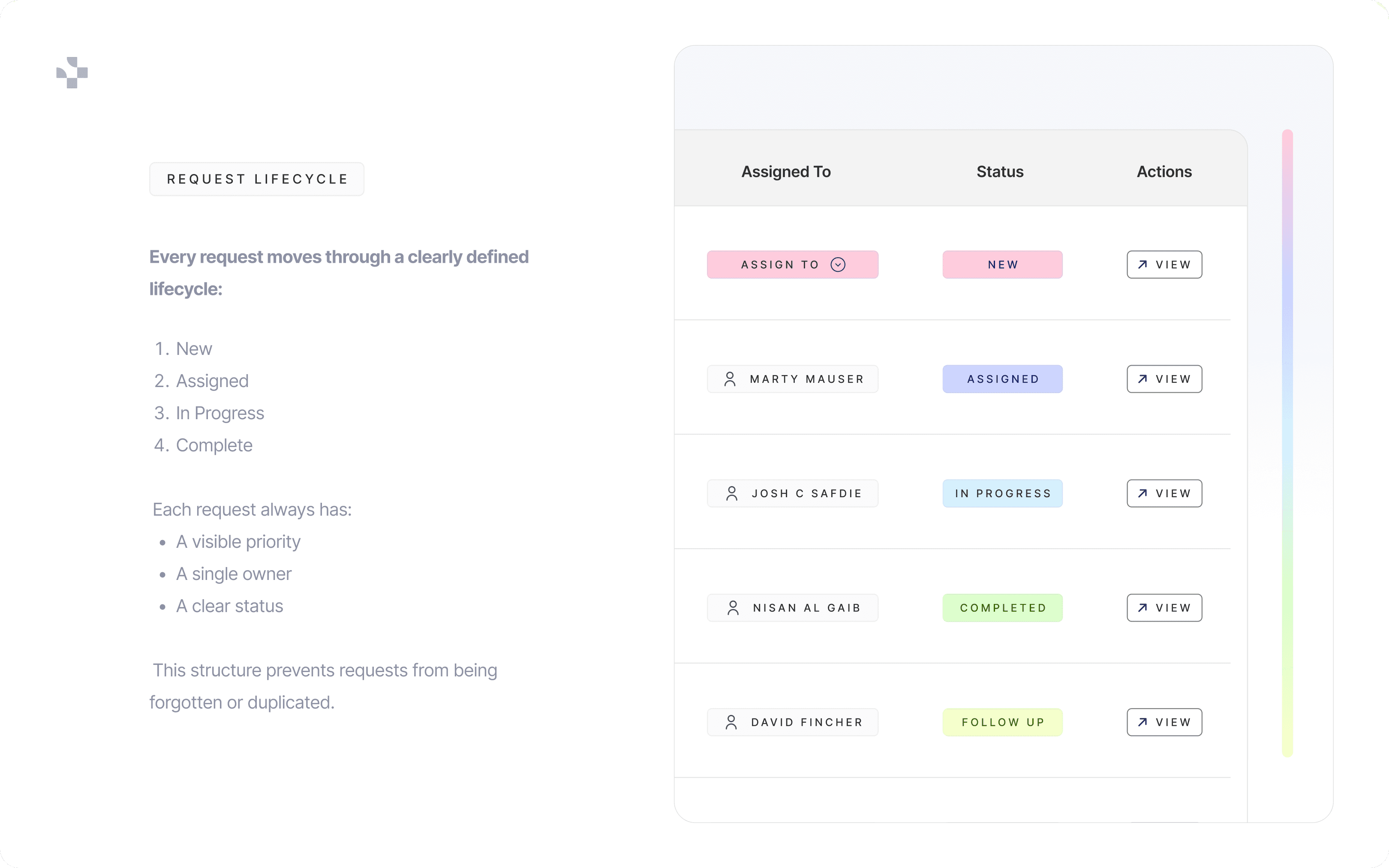
• Shared request lifecycle across platforms
• Priority-first design architecture
• Built to prevent duplication and missed cases
A regional hospital operates with a lean, centralized care team responsible for managing all inpatient service requests. As patient volumes increase, simultaneous requests create operational strain and increase the risk of delayed responses.
• All requests funnel into a single operational stream
• Limited nurse availability during peak hours
• High frequency of routine and emergency overlap
• Manual assignment leads to inefficiencies
• Lack of structured prioritization creates pressure
The existing system lacked clarity, ownership, and prioritization. Critical requests could get buried among routine ones, and duplicate response attempts increased confusion rather than improving speed.
• No clear single-owner model
• Risk of missed or forgotten requests
• Duplicate nurse response attempts
• Weak visibility into workload distribution
• Reactive rather than predictive coordination
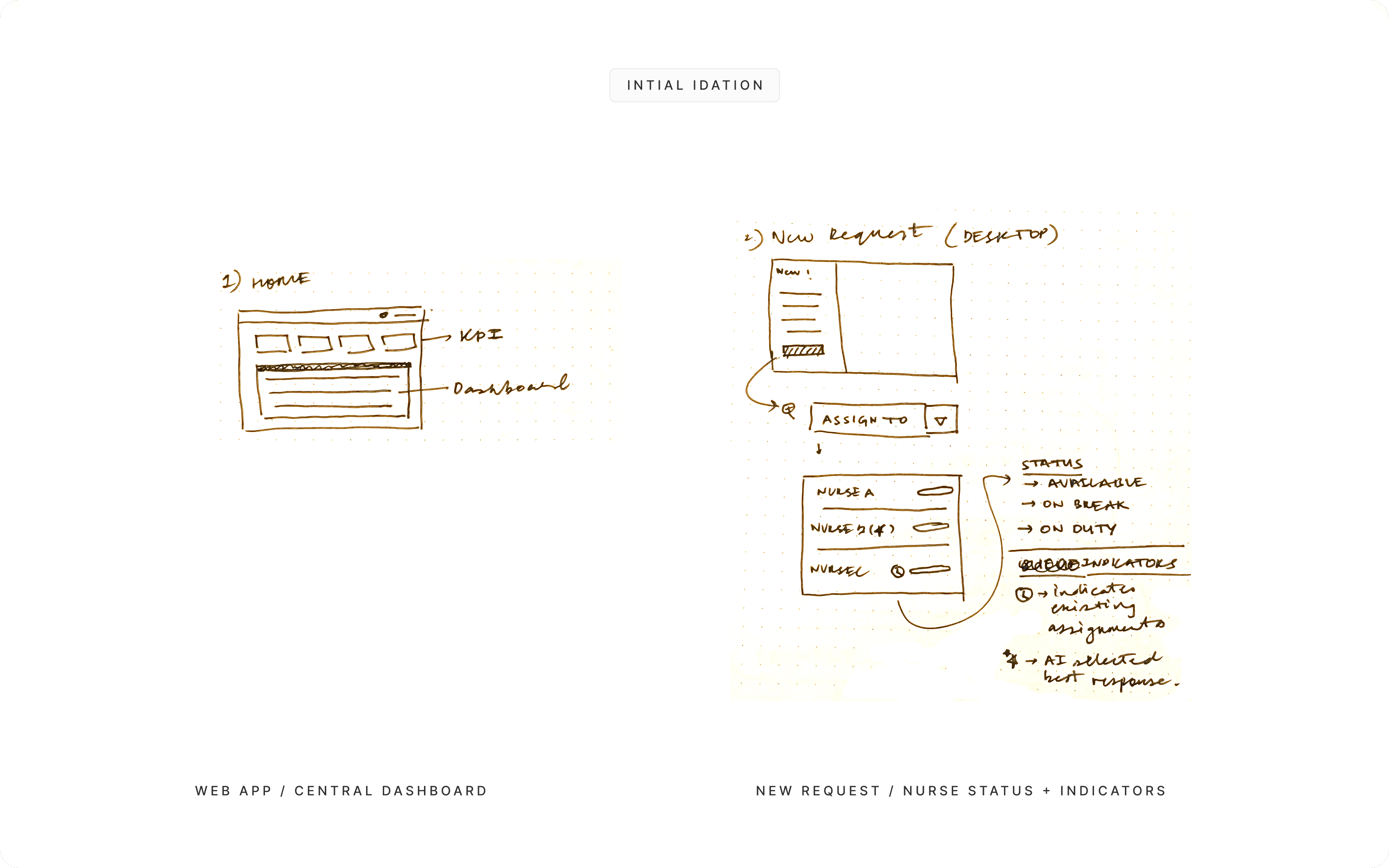
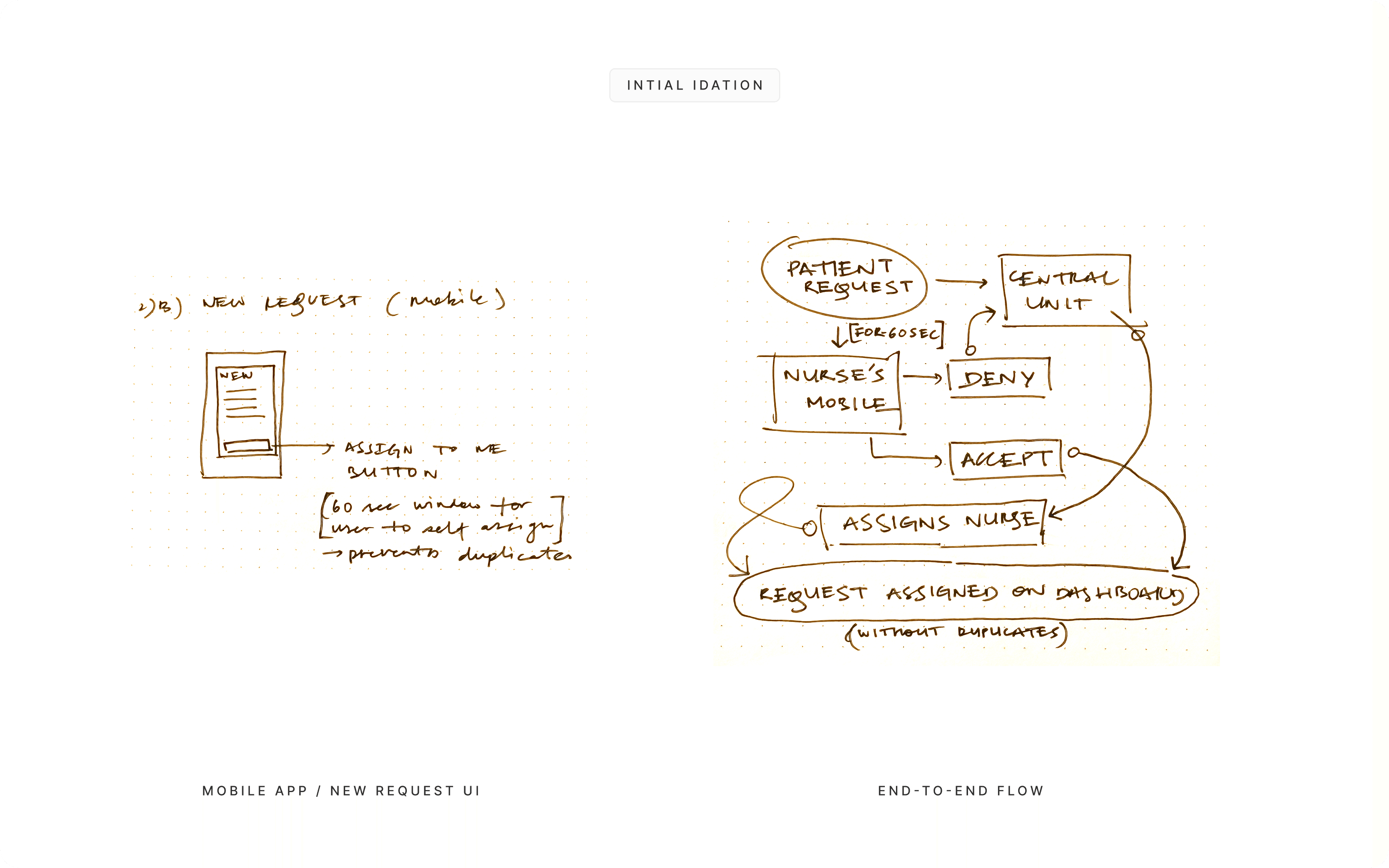
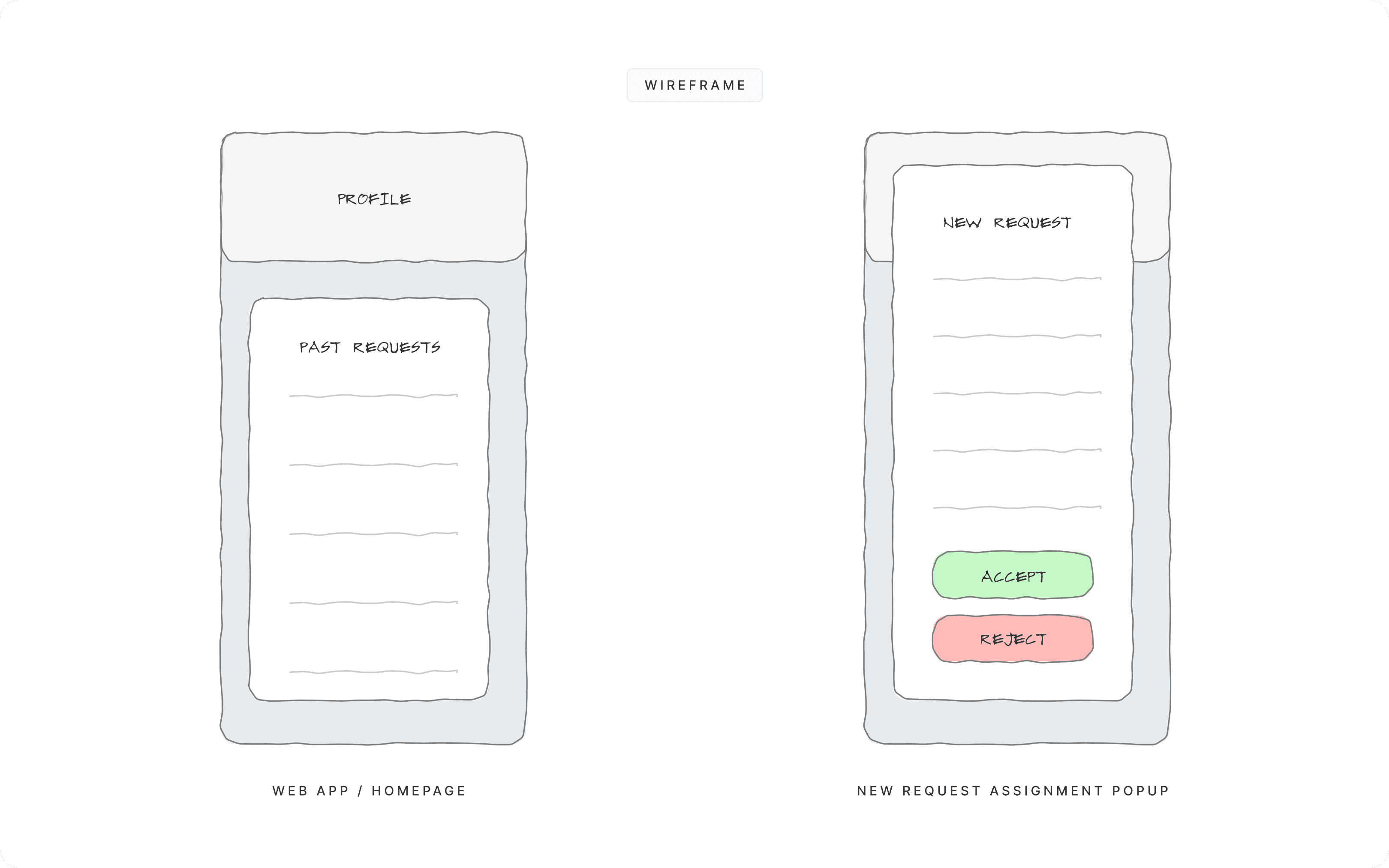
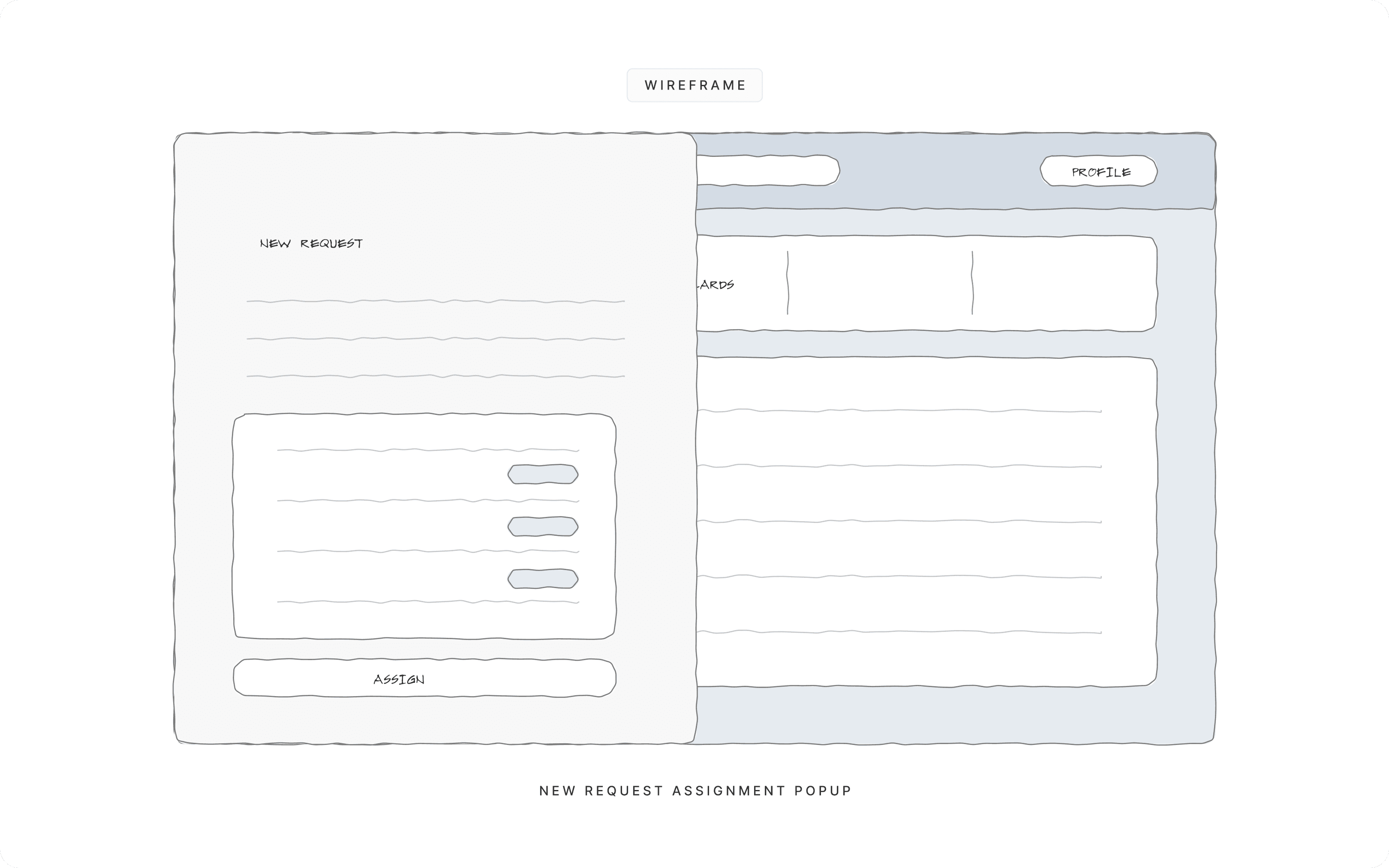
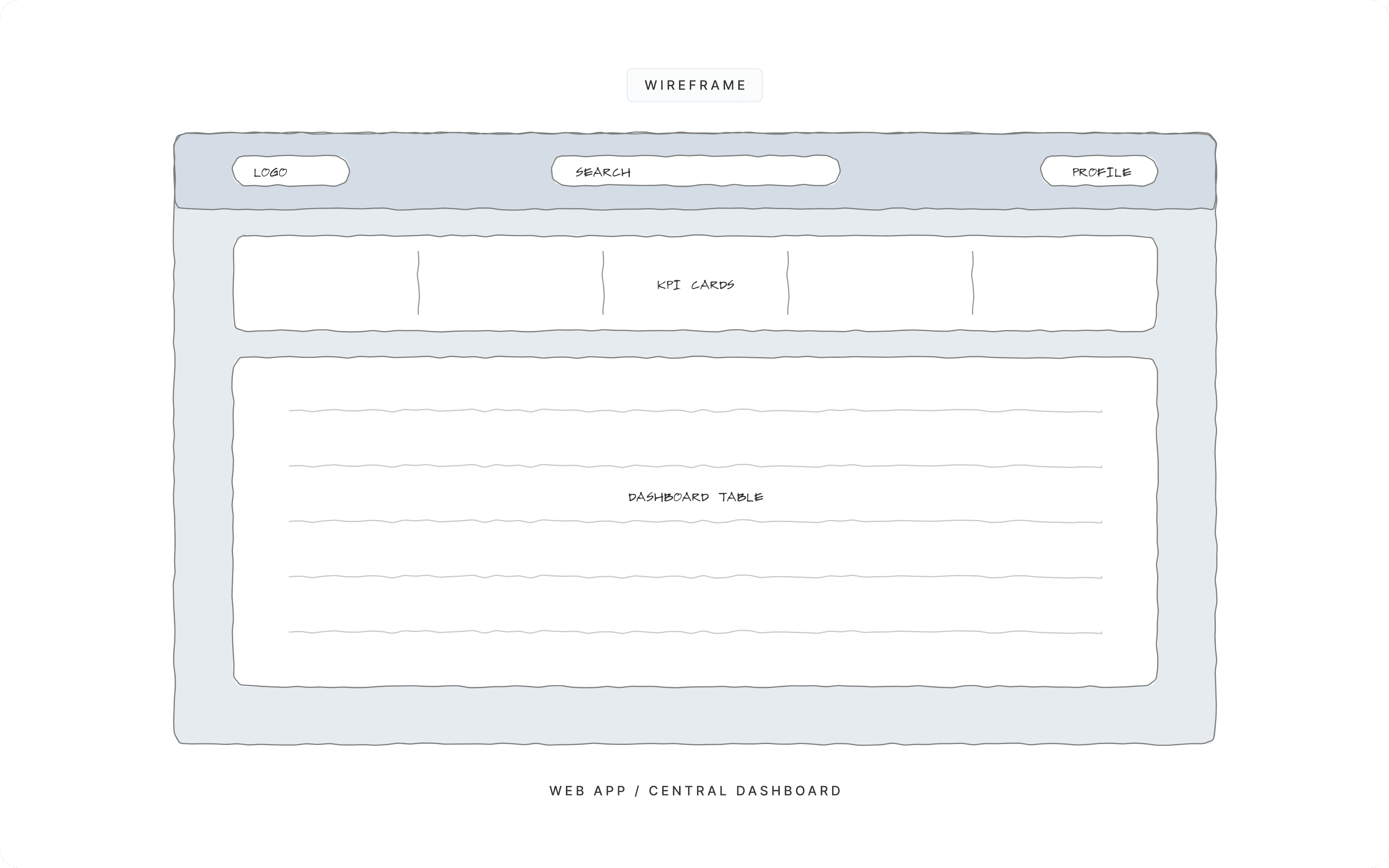
Design a system that enables fast triage, clear accountability, and nurse autonomy while preserving centralized oversight. The solution needed to function under pressure without increasing cognitive load.
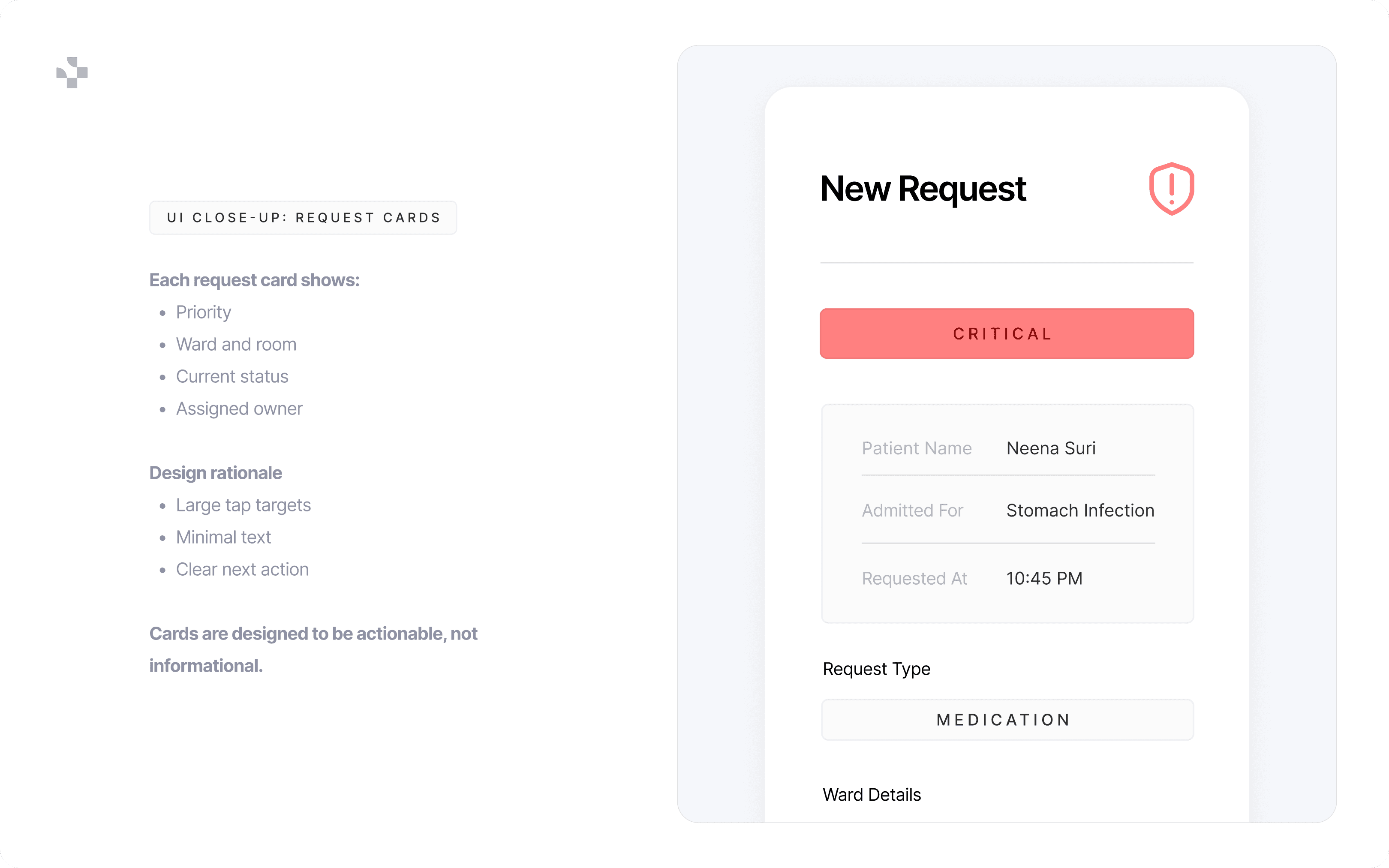
• Ensure every request has visible priority
• Establish single ownership per request
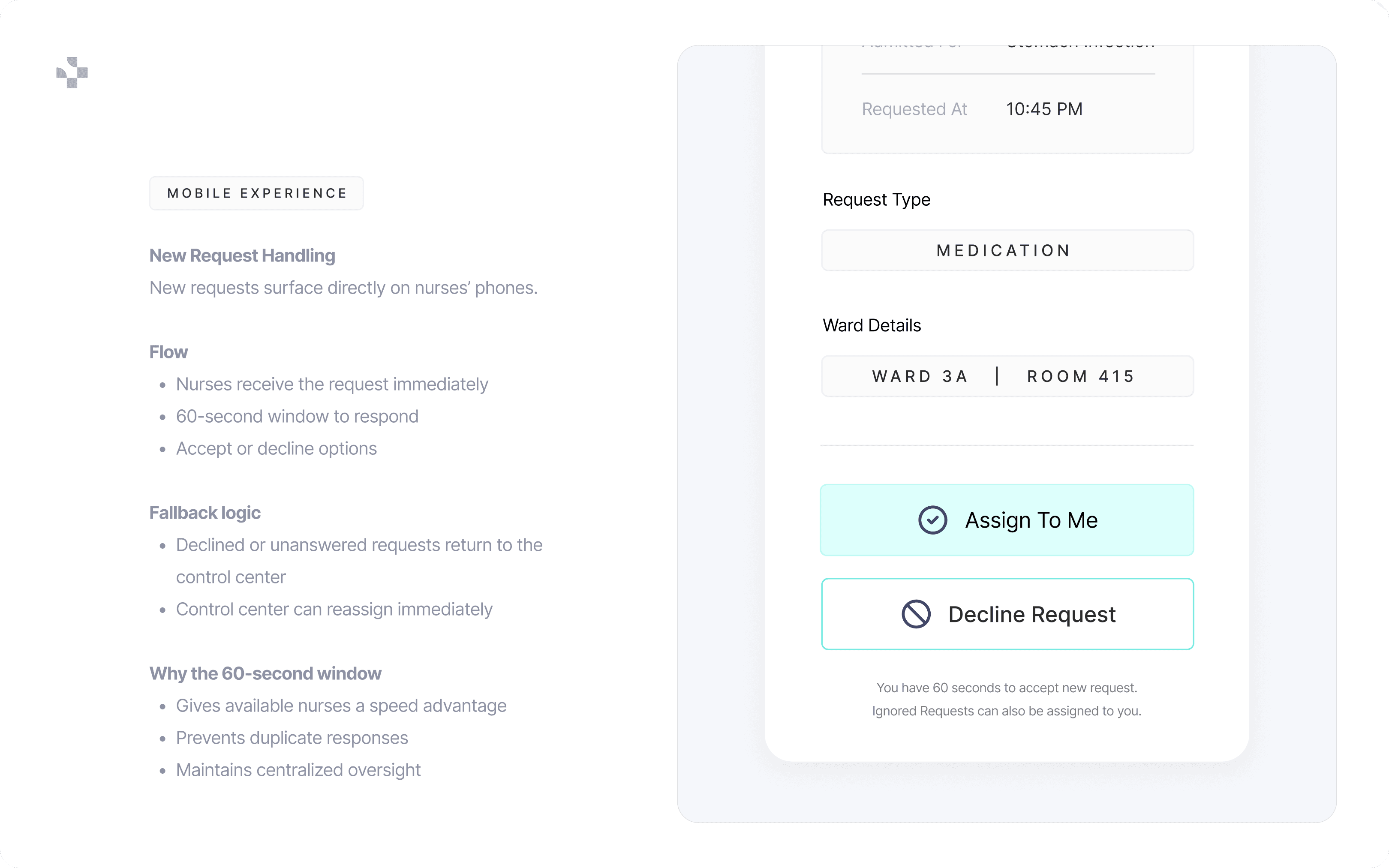
• Provide 60-second response autonomy to nurses
• Maintain real-time control center visibility
• Eliminate duplicate assignment scenarios
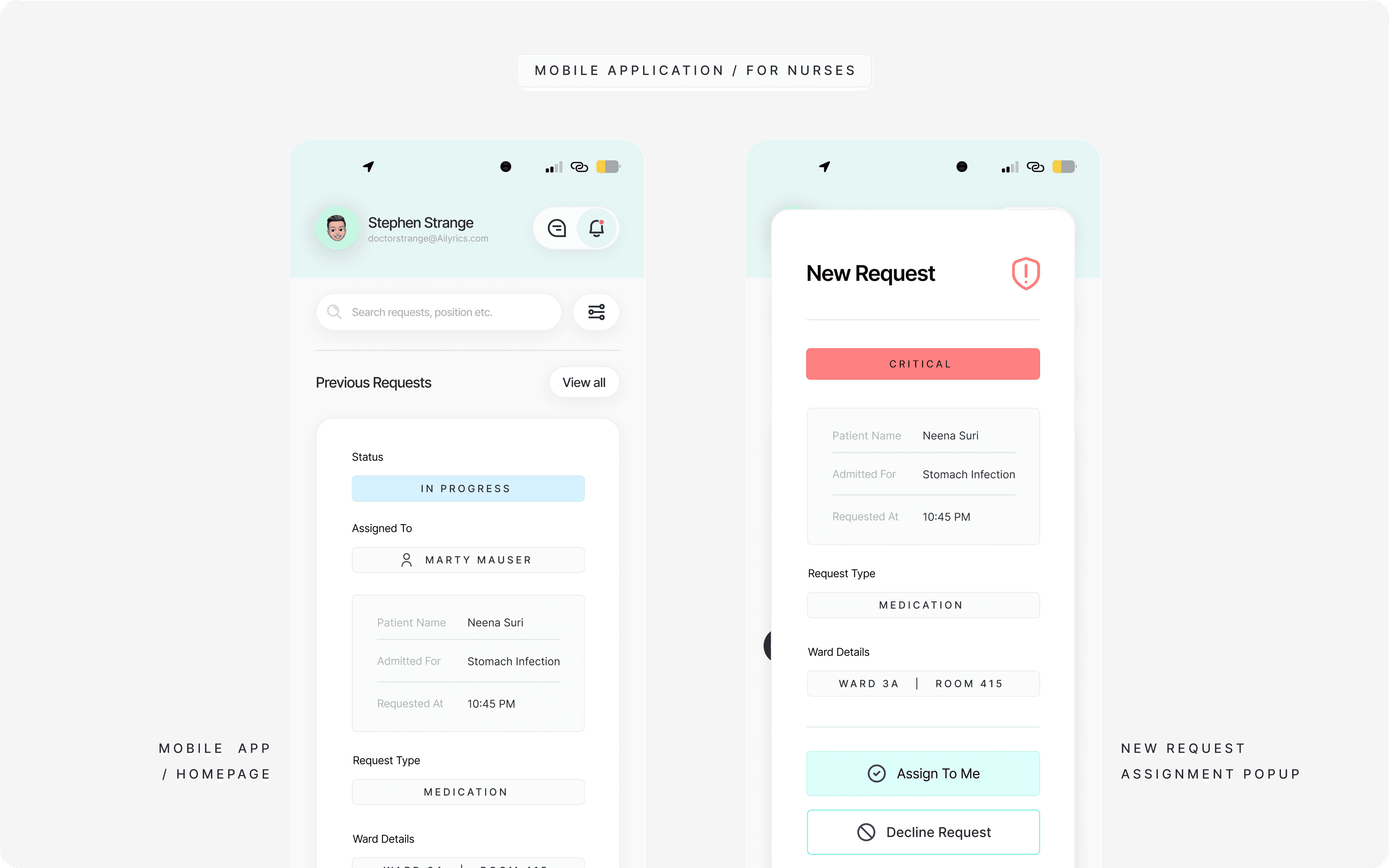
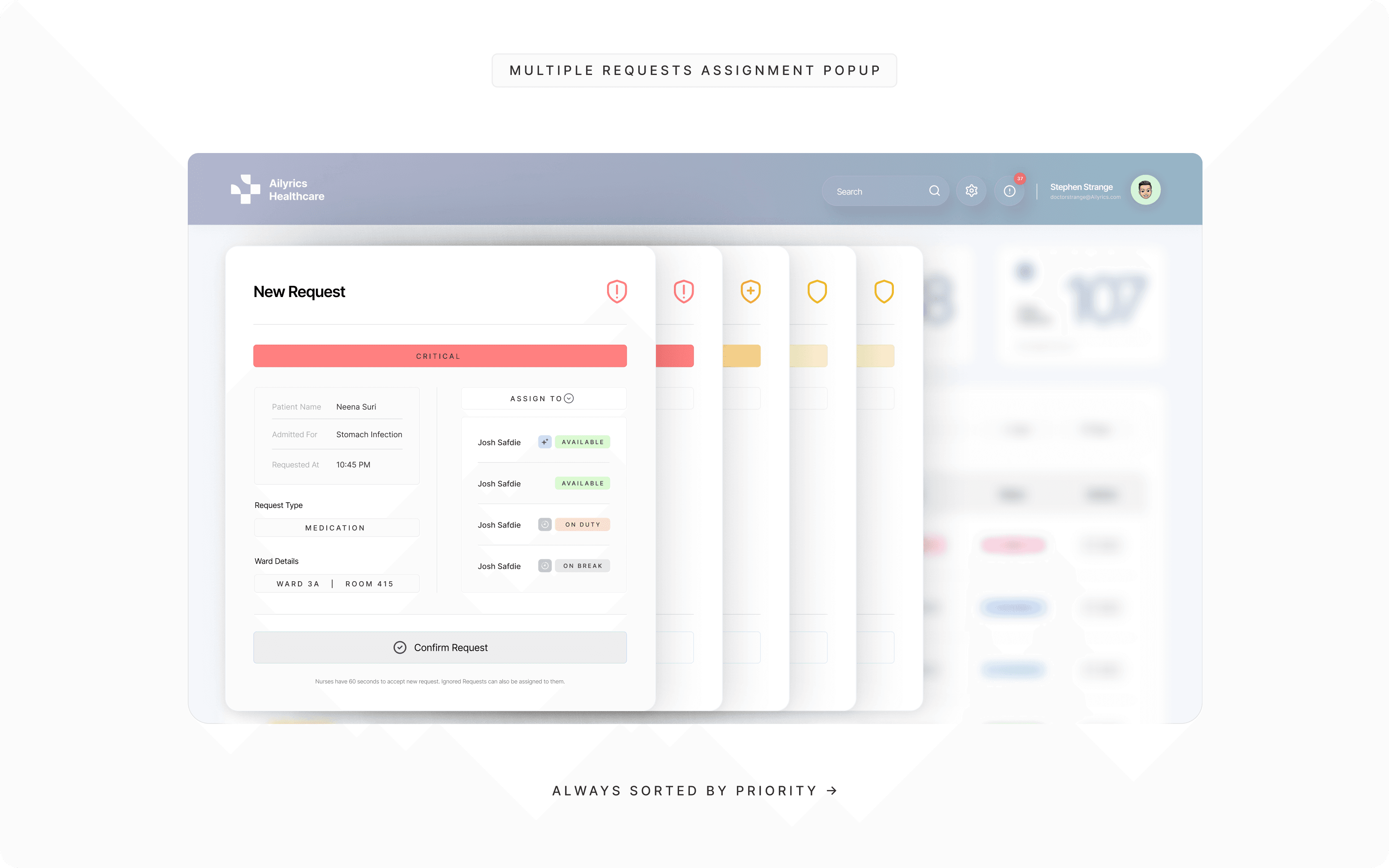
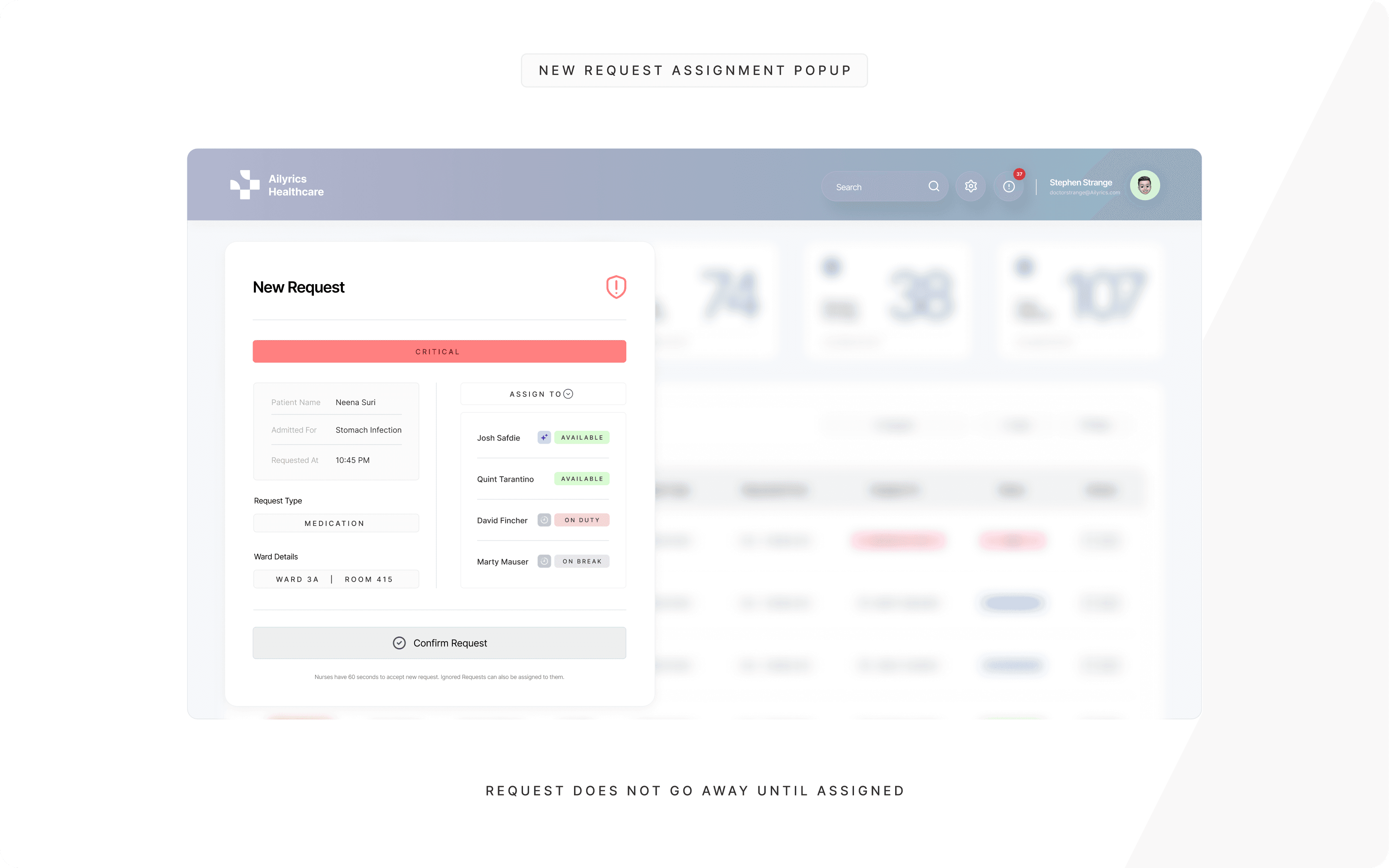
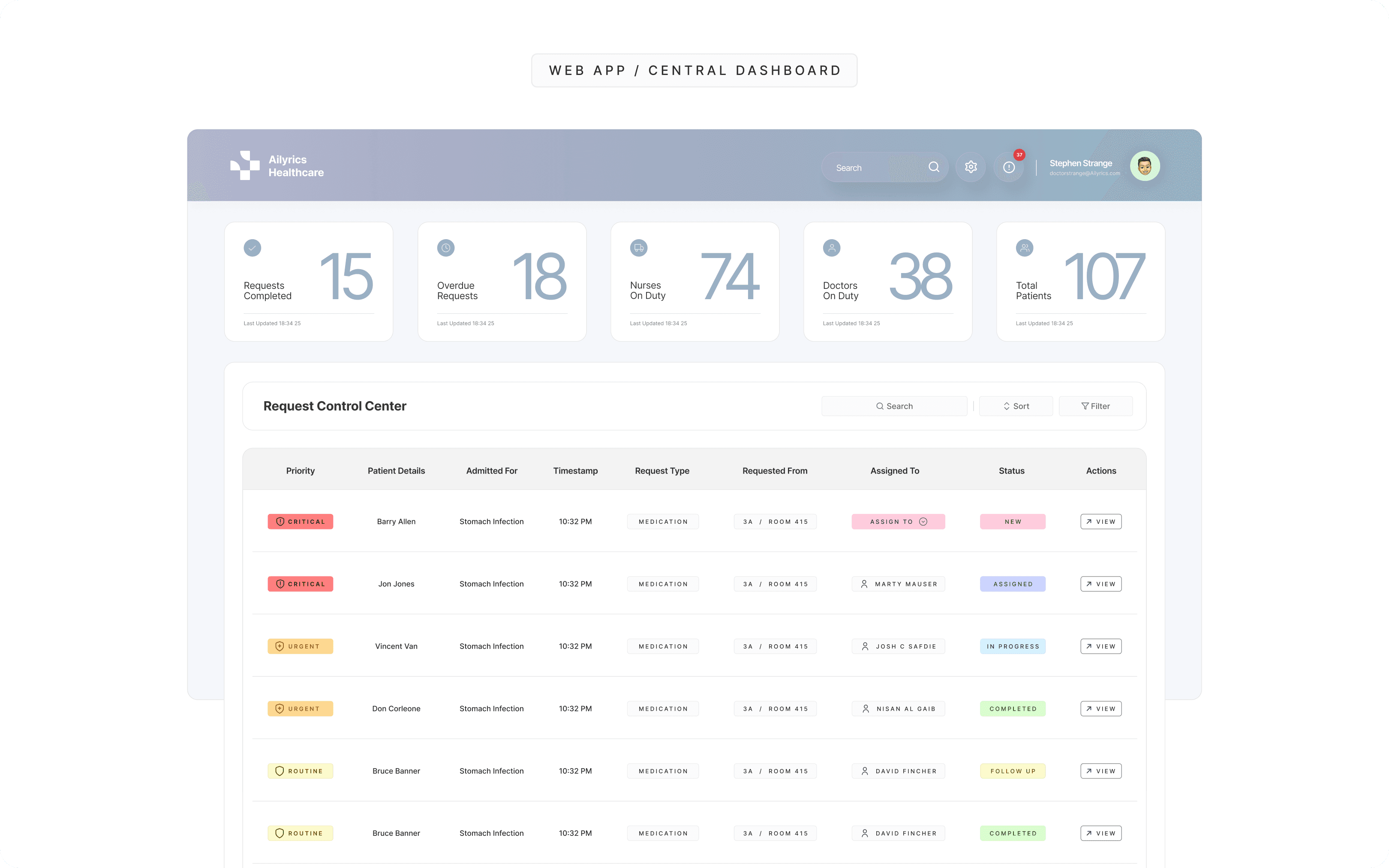
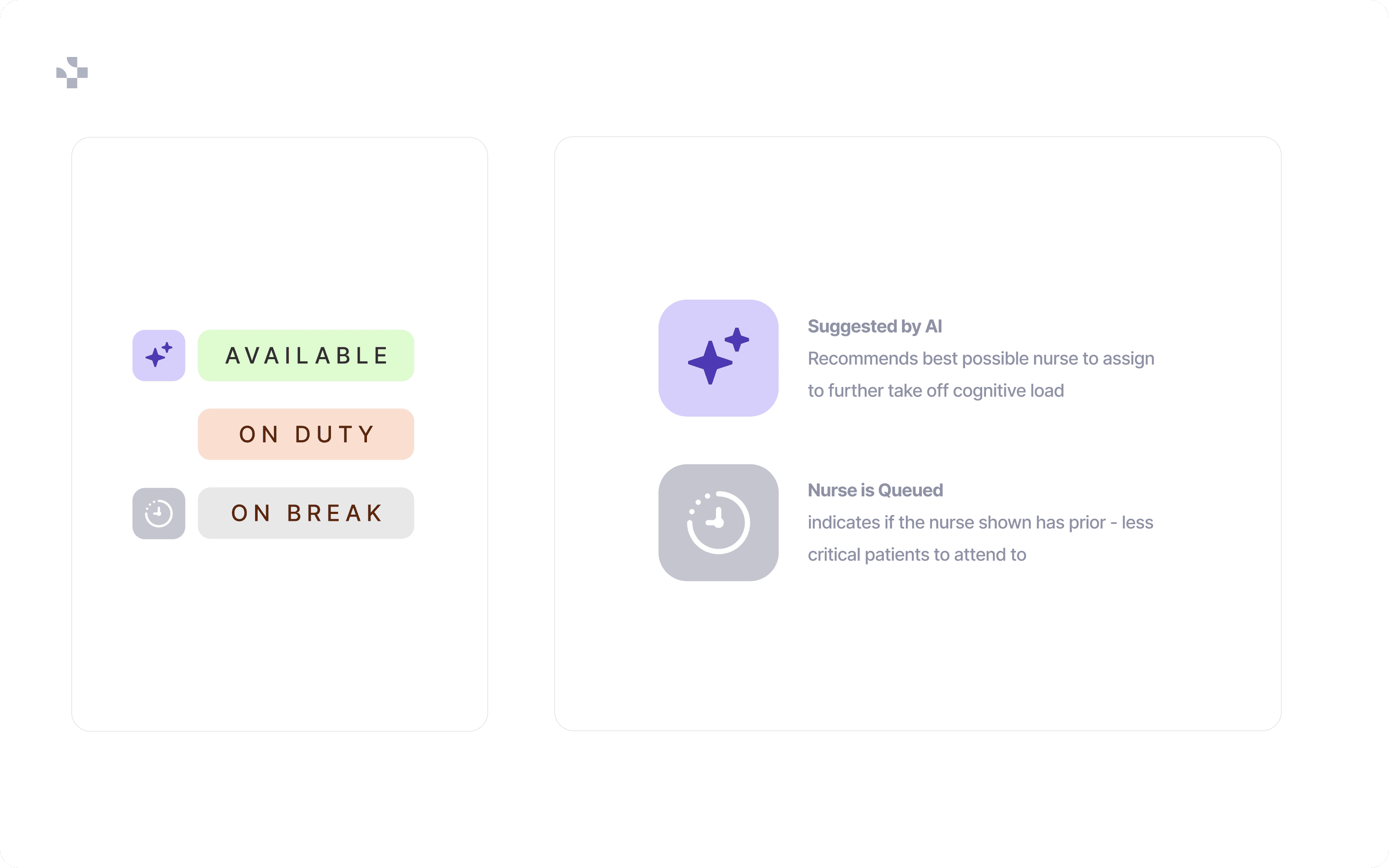
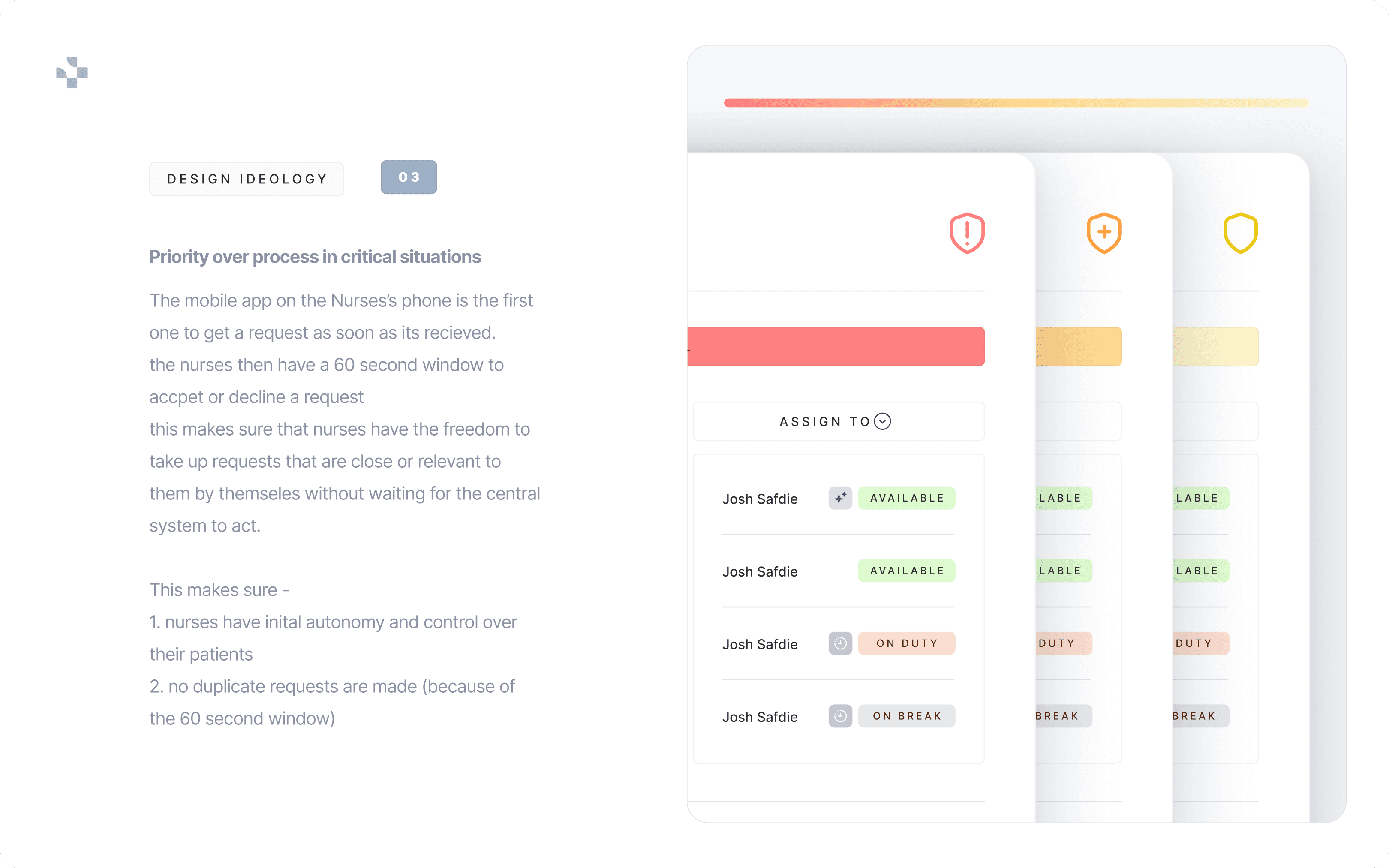
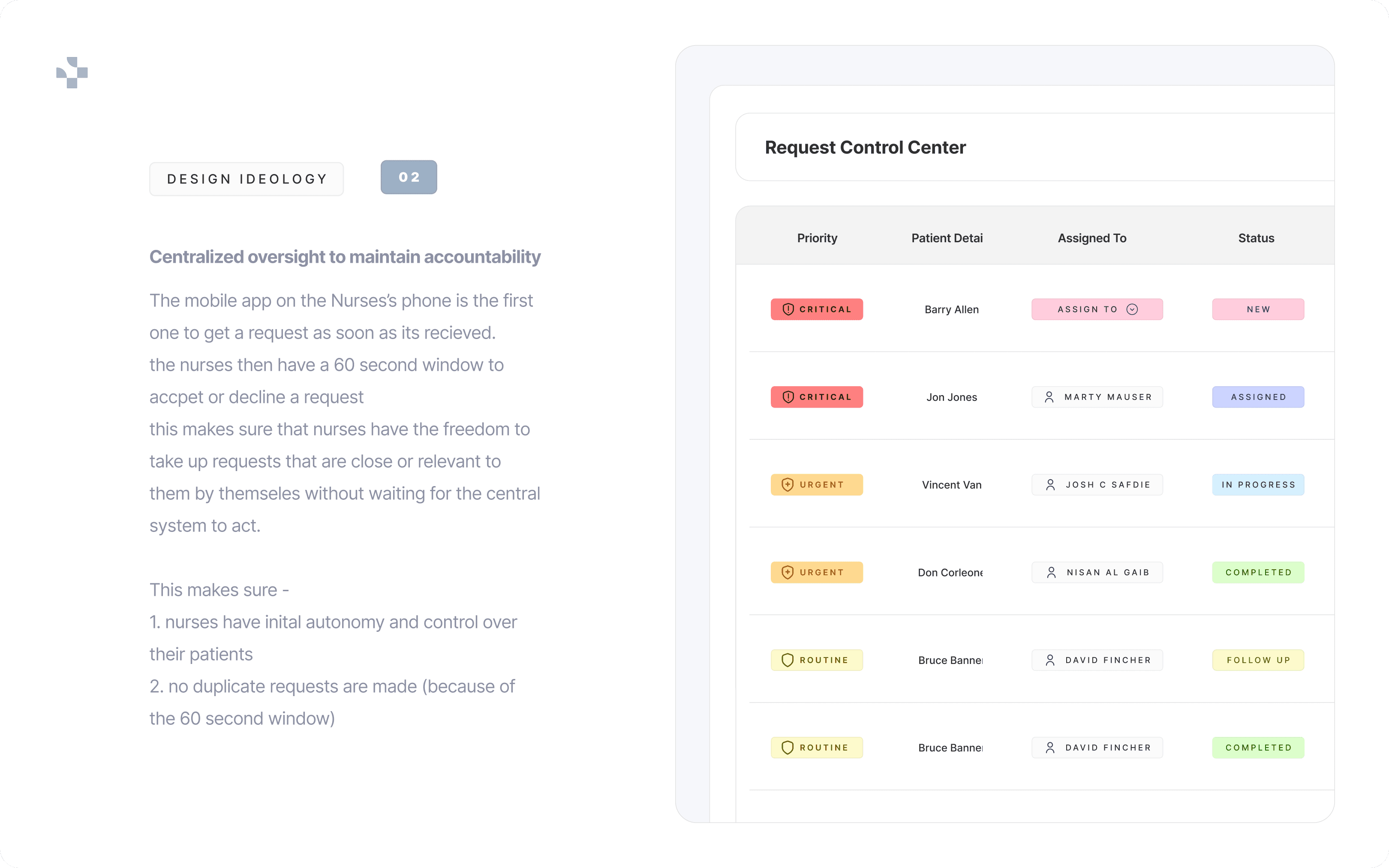
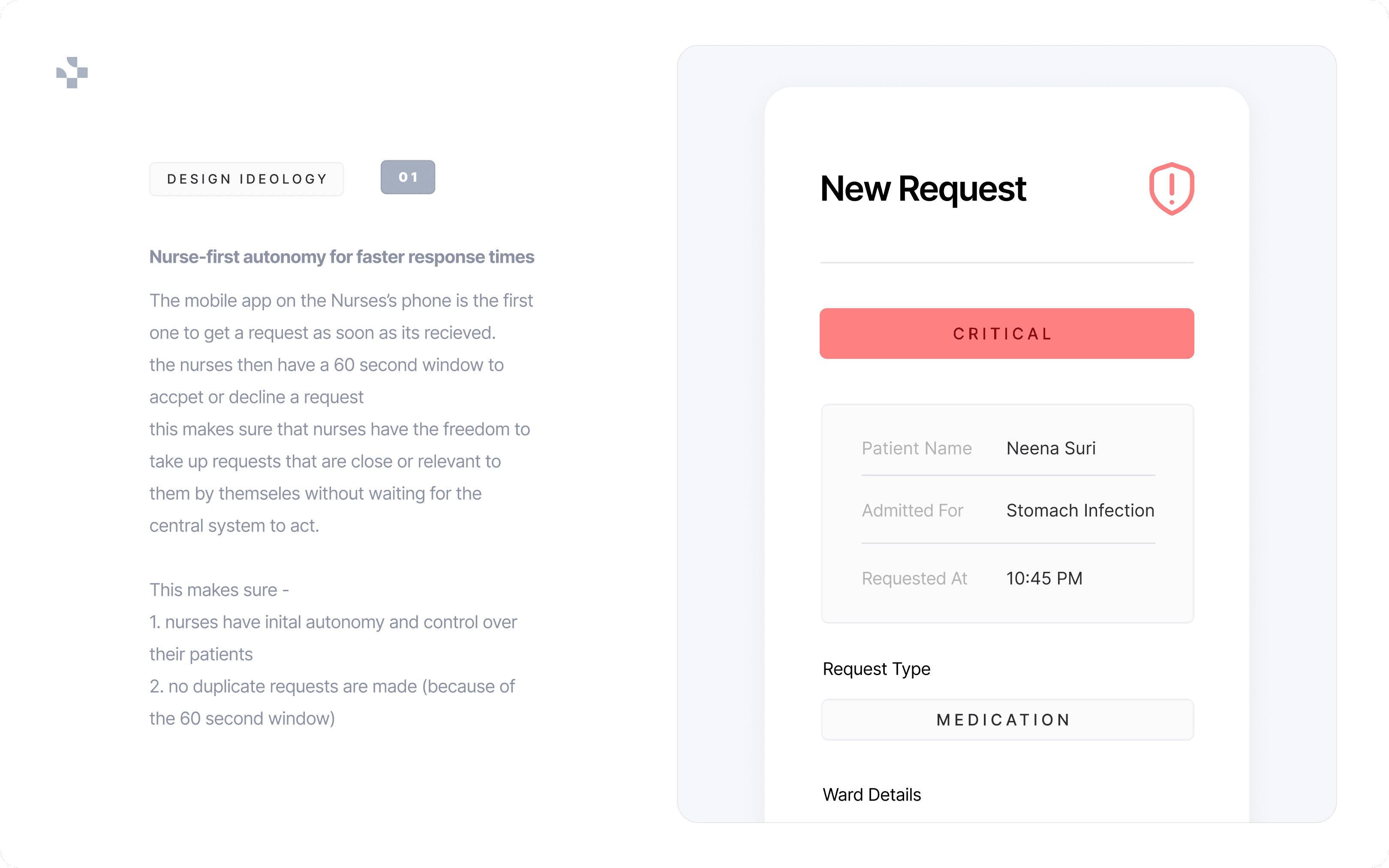
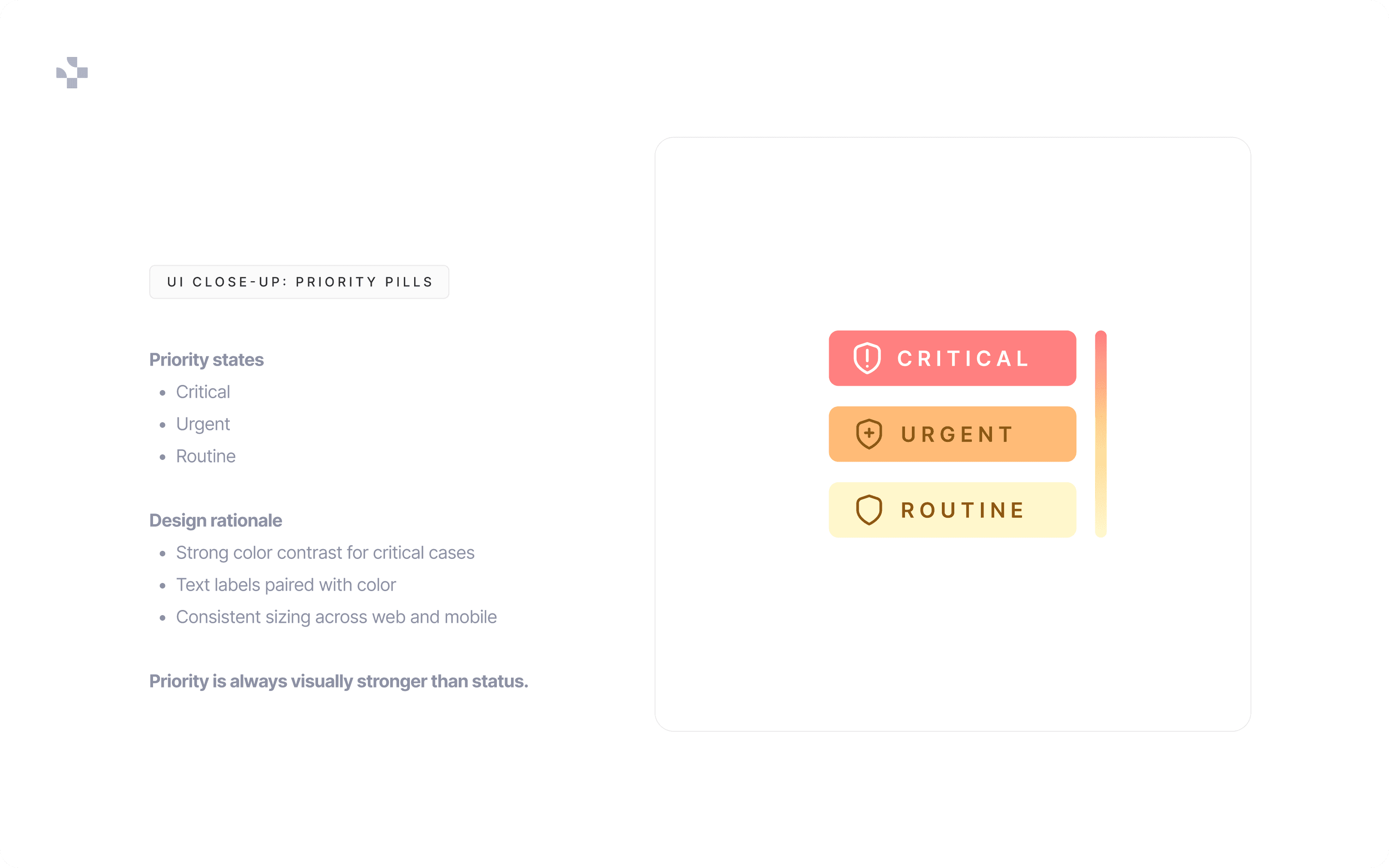
The system was structured around a shared request lifecycle across web and mobile platforms. Priority is always visually stronger than status, and actions are designed to be immediate rather than navigational.
• Nurse-first mobile interruption model
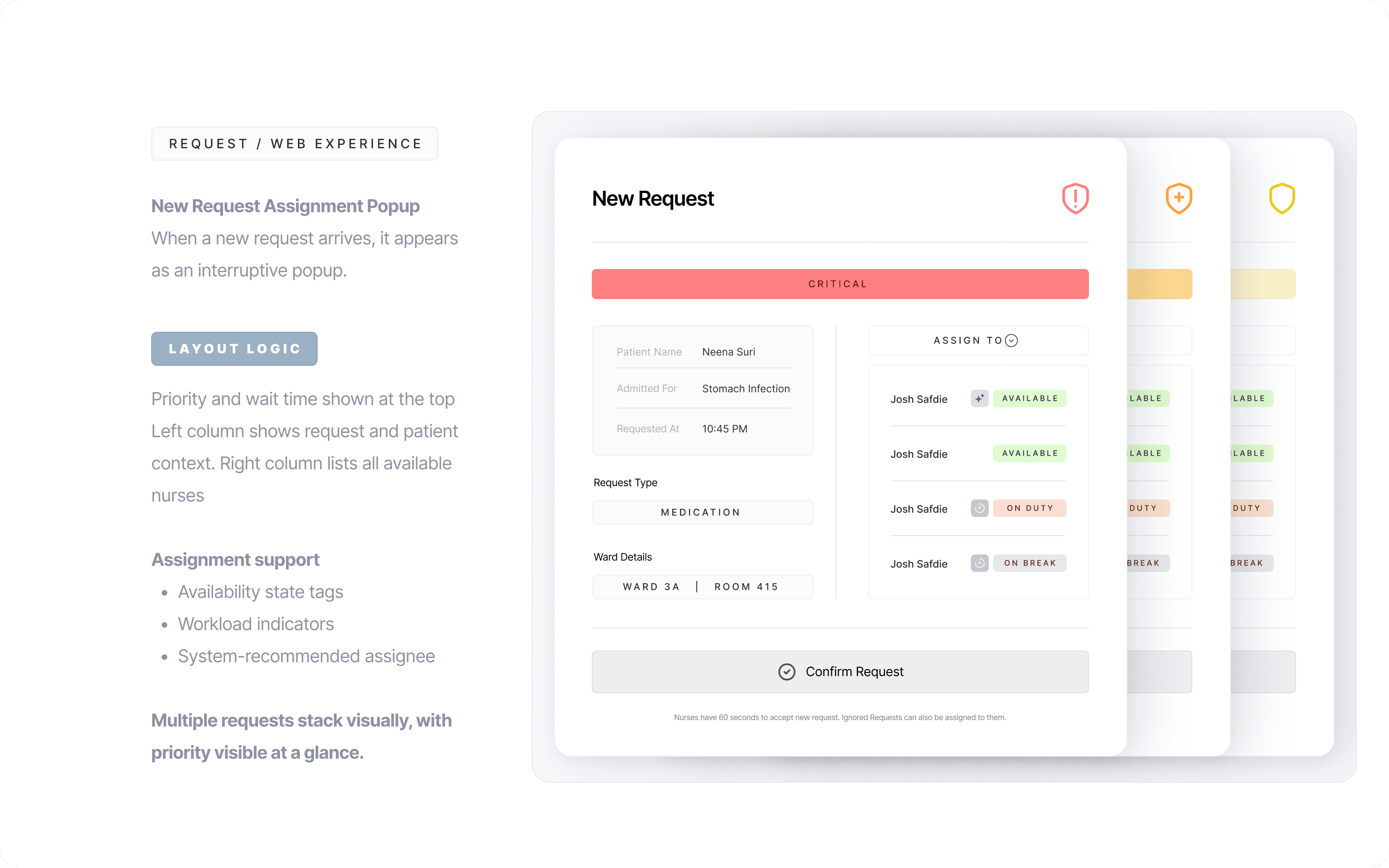
• Central dashboard with live request control center
• Strong color-coded priority hierarchy
• Muted status indicators to avoid visual conflict
• AI-assisted assignment recommendations
• Availability and workload visibility built into assignment flow
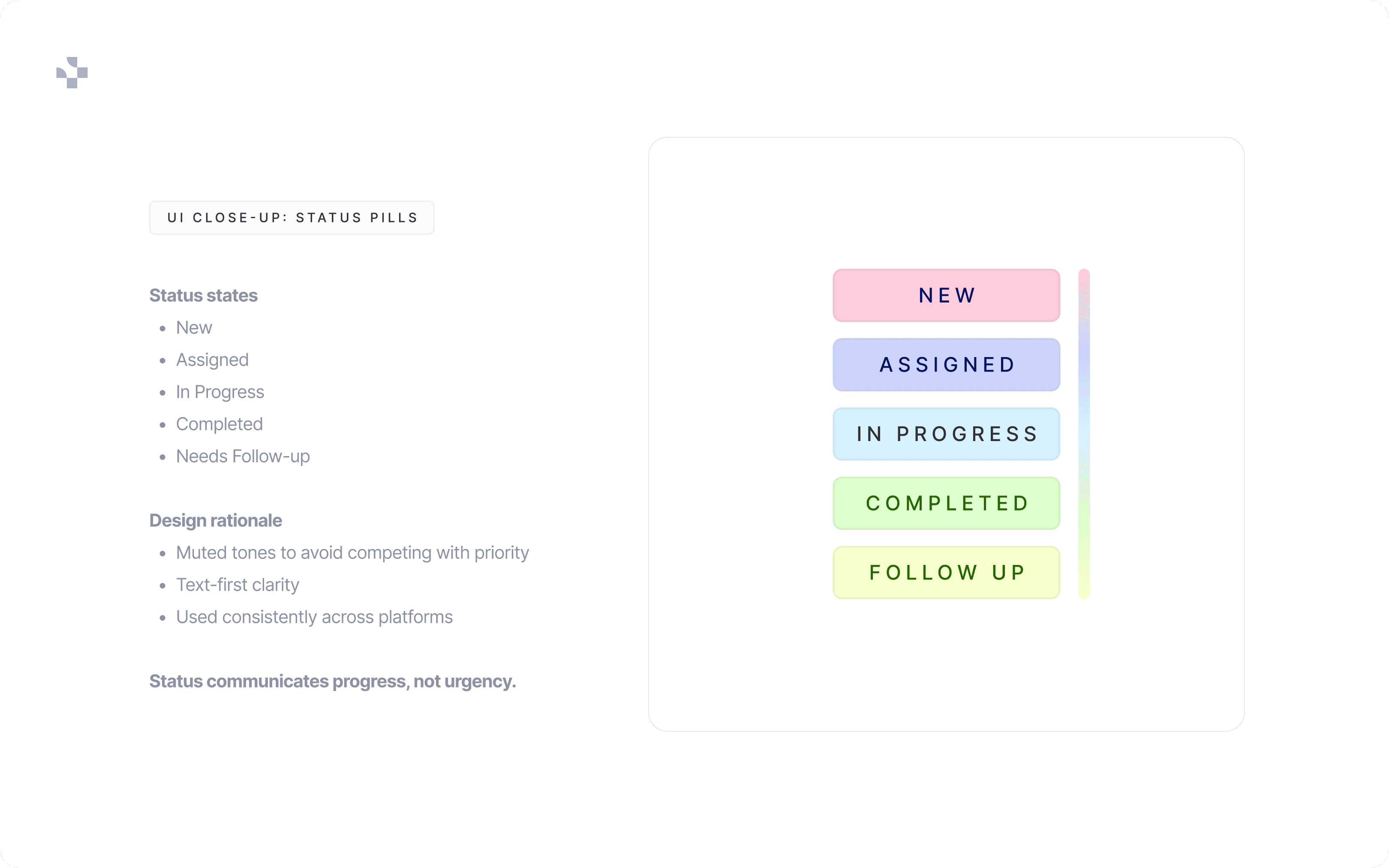
The redesigned system introduced structured coordination without adding operational friction. By separating urgency from status and empowering nurses with controlled autonomy, the workflow became faster and more accountable.
• Reduced risk of duplicate responses
• Clear ownership at every lifecycle stage
• Faster response to critical cases
• Improved visibility into staffing distribution
• Demonstrated importance of priority-first UI hierarchy
• Reinforced that systems under pressure need clarity over complexity